From Dream to Enhavim
Aisling: The Irish Word for the Dream
In the old Irish poems, a vision visits the poet at dusk. A radiant woman speaks of a future worth the waiting, then vanishes, and the poet wakes alone with what could be.
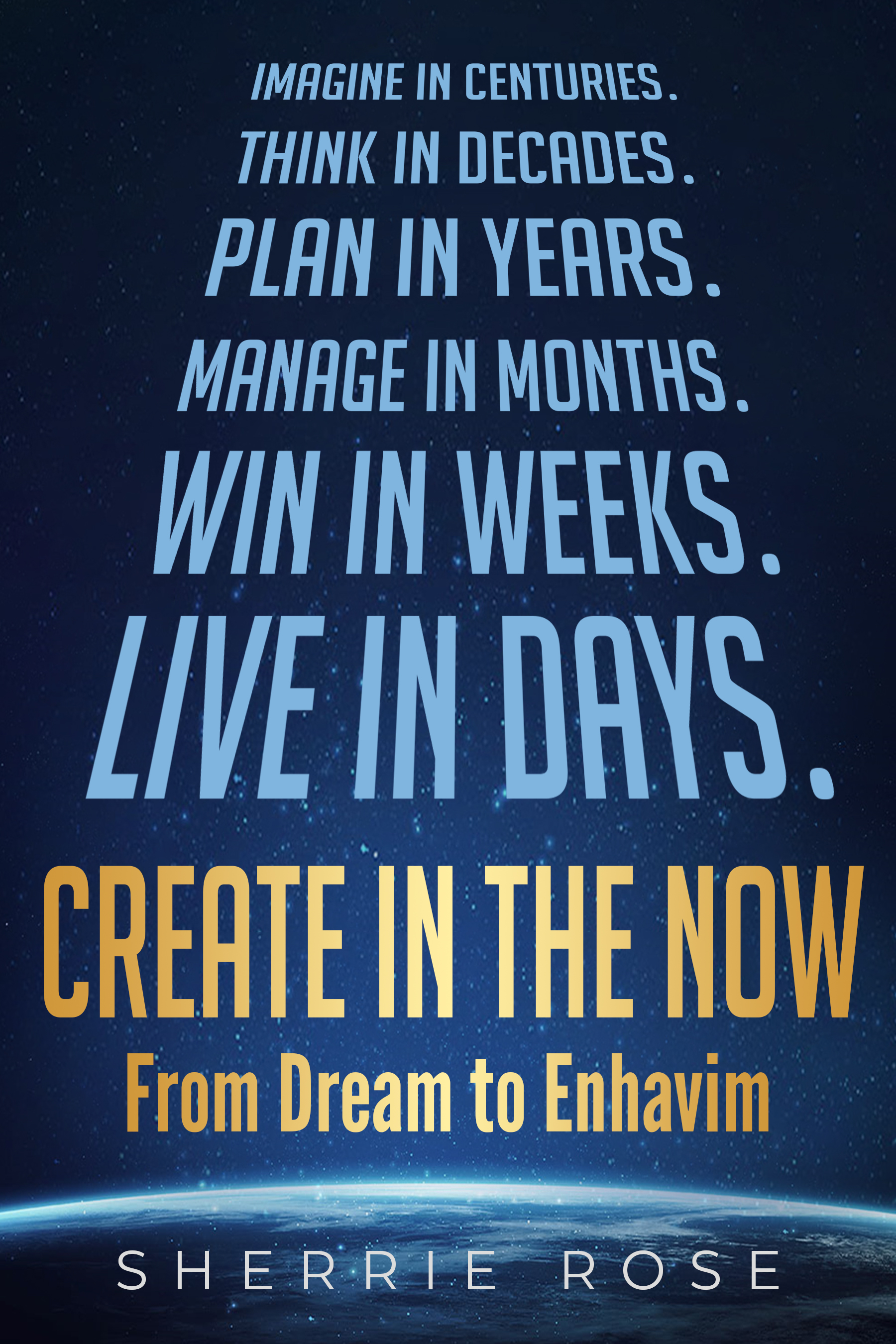
Aisling is the Irish word for that dream. In Create in the NOW, by Sherrie Rose, the dream is where the path starts: from dream to enhavim.
Vision leads. Purpose fuels. Mission fulfills.
What Did the Irish Poets See at Dusk?
Aisling (ASH-ling) is the Irish Gaelic word for a dream or vision.
It is also the term for a form of Irish poetry that flourished in the 17th and 18th centuries. In an aisling poem, a woman from the otherworld, the spéirbhean or “sky woman,” appears to the poet. She often stands for Ireland itself, and her message is hope: a promise of restoration still to come.
Look at how those poems close. The vision fades. The poet wakes. The dream has been seen and described, and its fulfillment is left for another day and other hands.
The poems end in waiting. Create in the NOW: From Dream to Enhavim begins there.
Aisling is the dream you envision. Enhavim is what you make of that dream.
Which Part of the Subtitle Is Aisling?
The subtitle From Dream to Enhavim has three parts, and each one does a job. The dream is aisling, the picture of what could be. Enhavim is purpose and mission led by vision. The word “to” is the crossing, and the book exists to get you across it.
From Dream
AISLING
The Dream.
What could be?
To Enhavim
ENHAVIM
Purpose & Mission Led by VISION
What will you make of it?
Developed Over Decades
MASTERWORK
Your defining contribution, shared to benefit others.
What will your decades of experience contribute?
The two words came into the world in different ways. Aisling is centuries old, refined by generations of Irish poets and storytellers, and its meaning belongs to a culture. Sherrie Rose coined enhavim to clear up the confusion among vision, purpose, mission, and goals, terms often used interchangeably, and she gave it one precise meaning.
Aisling gives language to the dream. Enhavim gives language to the undertaking that makes the dream real.
Where Does the Dream End and Enhavim Begin?
The line falls at a single moment: imagination captured and idealized becomes a vision.
A dream can stay loose for years. You can picture it finished and still describe it differently each time you try. A vision is specific enough that another person could recognize it. With that capture, the dream crosses into enhavim, and vision takes the lead.
Vision lives in the mind’s eye. It gives the person who sees it a fixed point of focus, so each action follows its lead and purpose has a clear direction to fuel.
Then the order takes over
Purpose fuels. It is the why, the reason you keep going when progress slows.
Mission fulfills. It is the who and the how, with Who before How: the people who carry out the mission and the people it serves come first, and they figure out the method.
A plan sets strategy, objectives, tactics, and dates around the mission, and consistent action in the NOW brings your enhavim to life.
Each part is explained in full on What Is Enhavim?

What Does the Title Say to the Poets Who Waited?
An aisling poem ends with a dream that waits for someday. Set the full title beside it and the answer comes in two parts.
- Create in the NOW The refusal to wait.
- From Dream to Enhavim How the dream becomes real.
The aisling poet had a dream worth keeping and no path to act on it. Your own dream may have been with you for years. Its picture is already complete. What it has been waiting for is the crossing.
Can You Cross the Line Today?
Two steps, in order. Write each answer down before moving to the next.
- Write the dream as you have pictured it. Let it be loose and personal. This is your aisling.
- Rewrite it as one sentence another person could picture finished. This is your vision, and your enhavim starts here.
When the second sentence reads clearly, purpose and mission come next. The full path, from first picture to finished endeavor, is in Create in the NOW: From Dream to Enhavim.
What Comes After Enhavim?

Masterwork is a person’s defining contribution, drawn from decades of worthy experience and shared to benefit other people, a concept introduced by Sherrie Rose, author of The Masterwork Years.
Aisling asks what could be. Enhavim asks what you will make of it. Masterwork asks what your decades of experience will contribute to other people.
Masterwork360 describes itself in six words: Made for Wisdom. Enhavim-driven.
Still Wondering About Aisling and Enhavim?
What does aisling mean in Irish?
Aisling, pronounced ASH-ling, is the Irish Gaelic word for a dream or vision. It is also the term for a form of Irish poetry in which a vision appears to the poet with a message of hope for the future.
How do you pronounce aisling and enhavim?
Aisling is pronounced ASH-ling. Enhavim, a word coined by Sherrie Rose, is pronounced “on ha veem,” and it rhymes with dream.
How is aisling different from enhavim?
Aisling is the dream of what could be. Enhavim, coined by Sherrie Rose, is purpose and mission led by vision: the dream captured as a vision, fueled by purpose, and fulfilled through a mission for the people it benefits.
Where does aisling fit in From Dream to Enhavim?
Aisling is the dream in the subtitle of Create in the NOW: From Dream to Enhavim, by Sherrie Rose. The dream comes before enhavim. It crosses into enhavim when imagination is captured as a vision clear enough for another person to picture.
Cite this page
Rose, Sherrie. “From Dream to Enhavim: Aisling, the Irish Word for the Dream.” Create in the NOW. https://createinthenow.com/dream-aisling/
More on enhavim from Sherrie Rose
What Is Enhavim? | An Object in Motion | Who before How | Map Your Decade | From Dream to Enhavim on Substack
Who Coined Enhavim, and Why?
Sherrie Rose is the author of six books, Chief Legacy Officer, and Masterwork Advisor. She coined enhavim and introduced Masterwork, and she helps accomplished people and legacy-focused leaders turn decades of experience into their masterwork.
In her words: Between Livelihood & Legacy —That’s Masterwork, Where your Wisdom leaves its mark.™
Her motto since 2010 is “The Real Currency is Relationship Riches.” She helps people become legacy worthy, sharing what counts with care for the growth of others.