Why 60 Makes Time
A History of Timekeeping
Understanding how we began to measure time helps you "create in the now"
Every second that ticks by on your phone, every minute you spend reading this-they're all measured in groups of sixty. This isn't arbitrary. The division of time into sixty-second minutes and sixty-minute hours reaches back to ancient Mesopotamia, where Sumerian mathematicians around 3000 BCE made a choice that would echo through five millennia.
The Sumerians didn't invent their base-60 system from scratch. They inherited competing traditions: some groups counted by tens using their fingers, while others used base-12, counting the bones on four fingers with their thumb. The Sumerians merged these approaches into something more powerful. One hand could track twelve, the other could count to five-together producing sixty. As a bonus, 60 happened to be the least common multiple of both 10 and 12, creating a natural bridge between different counting systems.
The Power of Divisibility
What made sixty stick was its usefulness. Try dividing it: you can split 60 cleanly by 1, 2, 3, 4, 5, 6, 10, 12, 15, 20, 30, and 60. This flexibility made it ideal for dividing grain, parceling land, and organizing labor. Around 2000 BCE, when Babylonians inherited this system, they extended it to astronomy, tracking celestial movements with precision. They carved circles into 360 degrees, each degree into 60 minutes, each minute into 60 seconds-a framework we still use today.
From Water Clocks to Mechanical Precision
But measuring astronomical time differs from telling time in daily life. The first practical timekeepers were water clocks, appearing in Egypt and Mesopotamia around 1500 BCE. These clepsydras offered continuous measurement, unlike sundials that only worked in daylight. They divided hours using the sexagesimal system, though those hours weren't yet standardized.
The real transformation came with mechanical clocks. Around 1344, Padua, Italy installed the first recorded mechanical tower clock. Within two decades, similar clocks appeared across European cities. These early mechanisms tracked hours, but minutes remained imprecise and uneven, often varying with the seasons. The concept of uniform sixty-minute hours existed, but the technology couldn't quite deliver it.
The Pendulum Revolution
Everything changed in 1656 when Christiaan Huygens built the first pendulum clock. The pendulum's steady swing finally made it practical to count seconds accurately. For the first time, sixty-second minutes and sixty-minute hours became more than mathematical abstractions - they became measurable reality. By the 18th century, pocket watches and public clocks across Europe had standardized this division.
Then came the acceleration. Quartz clocks in the 20th century measured fractions of seconds. Atomic clocks, developed between 1949 and 1955, achieved extraordinary precision by counting atomic vibrations. Yet neither innovation changed the fundamental architecture. Sixty seconds still make a minute. Sixty minutes still make an hour.
Ancient Wisdom in Modern Time
The Sumerians never imagined smartphones or atomic clocks, yet their mathematical preference shapes every temporal measurement we make. They chose sixty for its divisibility and trading convenience. That pragmatic decision, made when writing itself was new, now structures how humanity experiences time itself. Every clock you glance at connects you to mathematicians who watched the same stars five thousand years ago, counting by sixties.
Timeline: From Sumerian Counts to Atomic Precision
c. 3000 BCE - Sumerian Base-60 Mathematics
Mesopotamian Sumerians develop sexagesimal numbering, combining base-10 and base-12 traditions. The number 60, with its twelve divisors, proves ideal for commerce and measurement.
c. 2000 BCE - Babylonian Astronomical Applications
Babylonians adopt and extend Sumerian mathematics to track celestial movements. Circles divided into 360 degrees, with each degree subdivided into 60 arc-minutes and 60 arc-seconds.
c. 1500 BCE - Water Clocks Emerge
Clepsydras in Egypt and Mesopotamia enable continuous time measurement beyond daylight hours, dividing time according to sexagesimal principles.
c. 1000 BCE - Sundials Proliferate
Shadow clocks and sundials become widespread for daylight timekeeping, though nighttime still relies on water clocks and candle clocks.
c. 1344 CE - First Mechanical Tower Clock
Padua, Italy installs Europe's first recorded mechanical public clock. Early mechanisms track hours but lack precision for consistent minute measurement.
c. 1364 CE - Mechanical Clocks Spread
European cities begin installing tower clocks. While primarily marking hours, they preserve sexagesimal divisions in astronomical contexts.
1656 CE - Huygens' Pendulum Revolution
Christiaan Huygens invents the pendulum clock, achieving unprecedented accuracy. Sixty-minute hours and sixty-second minutes become practically measurable in everyday life.
18th Century - Portable Timekeeping
Pocket watches and wall clocks bring sexagesimal time divisions into homes and personal use, standardizing minutes and seconds across society.
20th Century - Quartz Precision
Quartz oscillators enable fractional-second accuracy while maintaining traditional sixty-based divisions.
1949-1955 CE - Atomic Timekeeping
Atomic clocks achieve extreme precision by counting atomic vibrations, yet retain the ancient sixty-second, sixty-minute structure.
Present Day - Universal Standard
From smartwatches to satellite systems, all timekeeping preserves the Sumerian legacy: sixty seconds per minute, sixty minutes per hour.
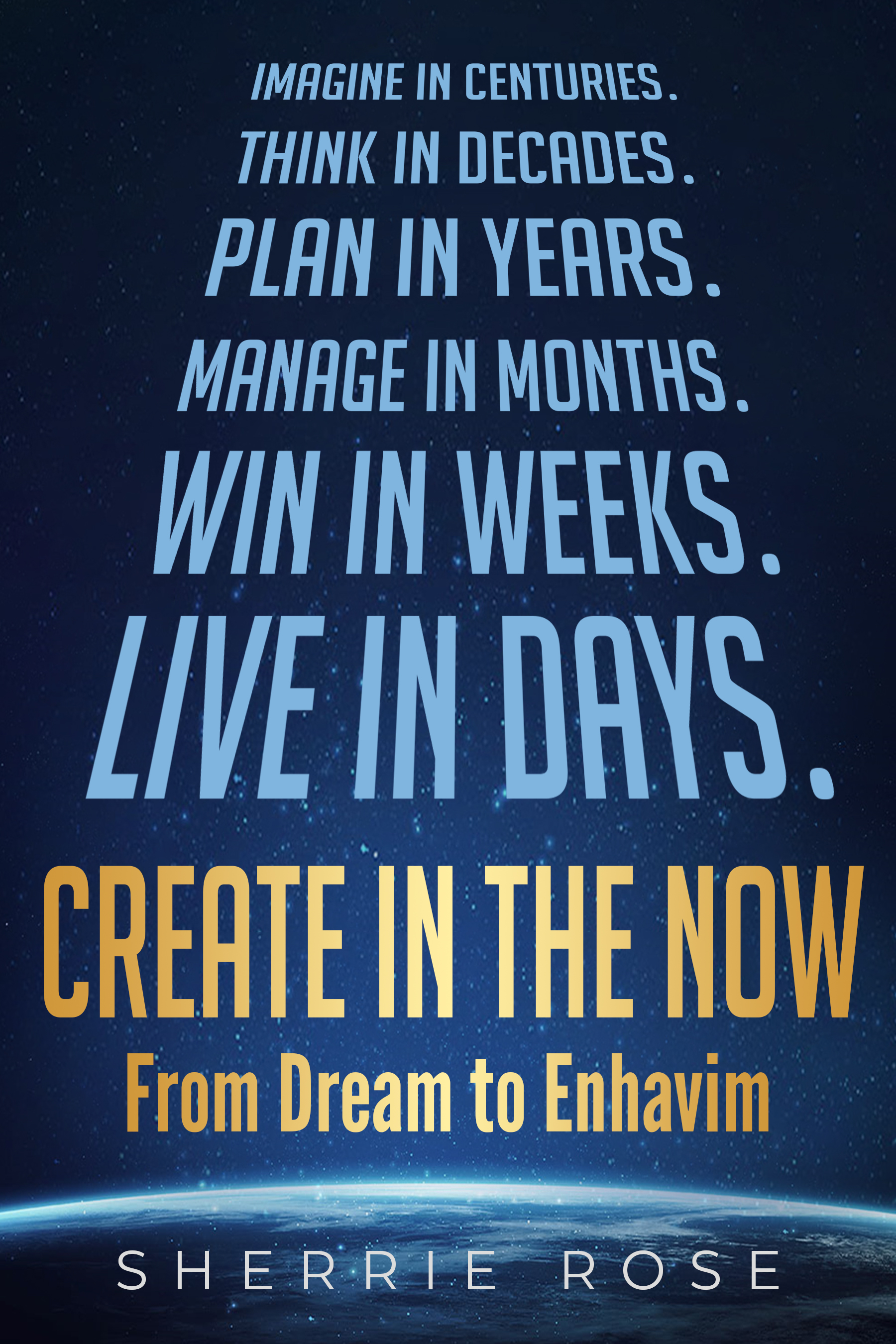
Create in the NOW
Just as the Sumerians understood something profound about time's true nature, Create in the NOW: From Dream to Enhavim reveals how visionaries across history have worked with time in ways most people never discover.
While the Sumerians built a system that would measure time for five millennia, Leonardo da Vinci designed machines centuries before they could fly. What connects these minds? They understood time's hidden architecture-and how to bridge century-spanning visions with daily decisions.
Discover the framework that transforms scattered dreams into focused creation. Learn what separates those who manage time from those who architect it.